Planning as Protection: Why Custom Homes Succeed or Fail Before Construction Begins
Construction does not create most problems — it reveals the decisions that were already made. This article explains why disciplined pre-construction planning protects budgets, timelines, and trust.
Most people assume construction is where homes succeed or fail.
In reality, construction often reveals decisions that were already made.
Most custom home issues are decided during planning. Site assumptions, incomplete scope, rushed design, and unresolved selections quietly lock in risk long before site work begins. When those decisions surface later, they appear as delays, budget pressure, or compromised outcomes.
Construction Reveals What Planning Decides
Planning exists to prevent that.
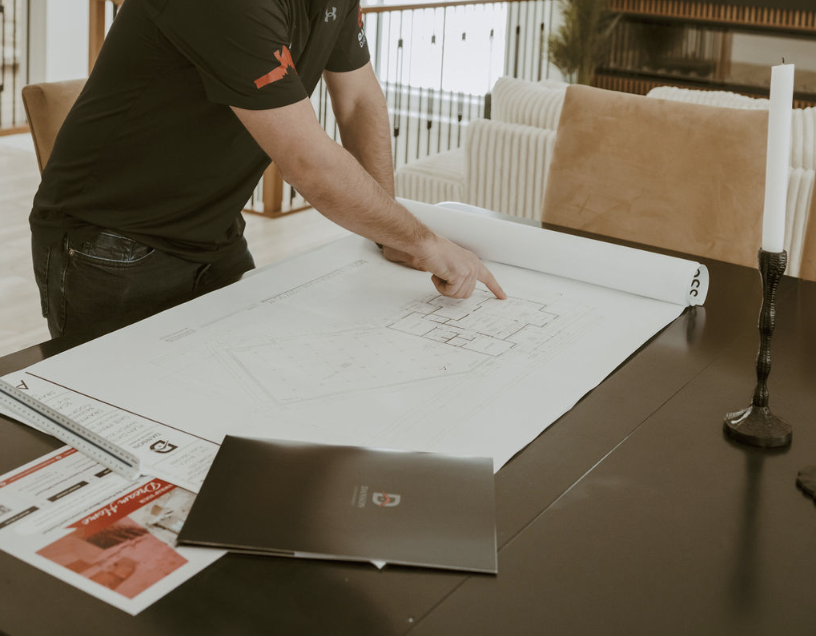
Pre-construction planning is not just about drawings. It is a disciplined process designed to remove unknowns before commitments are made. It forces clarity early, when change is still manageable.
Why Pre-Construction Planning Matters
Design plays a critical role in this. Design is not simply aesthetic. It is where cost exposure, sequencing, feasibility, and scope alignment are established. When design is rushed or treated as a formality, uncertainty gets embedded into the project.
"Planning slows projects down early so they do not fall apart later."
Design Is Not Just Aesthetic
This is also why "free design" can be a warning sign. When planning carries no weight, decisions are rarely carried with enough responsibility. That lack of commitment shows up later, when it is far more expensive to address.
Why "Free Design" Can Create Risk
Proper planning slows projects down early so they do not fall apart later. It protects budgets, timelines, communication, and the relationship between client and builder.
Planning Protects the Build Before It Begins
The first step in a custom acreage home is not construction.
It is proper planning and design with the right builder.
If you are planning a custom home and want clarity before construction, start with a planning conversation.